Par mums / About us
Latvijas Kaktusu un citu sukulentu biedrība vieno Latvijas kaktusu un sukulentu entuziastus. Biedrība organizē tikšanās, lekcijas un dārza izstādes, kurās dalībnieki var apmainīties ar pieredzi, stādiem un padomiem par šo aizraujošo augu audzēšanu un kolekcionēšanu. Pievienojies mums, lai kopīgi iepazītu un izjustu sukulentu daudzveidīgo un neparasto skaistumu!
The Latvian Cactus and Other Succulents Society brings together enthusiasts of cacti and succulents from across Latvia. The society organizes meetings, lectures, and plant exhibitions where members can share their experience, plants, and advice on growing and collecting these fascinating plants. Join us to explore and appreciate the diverse and unique beauty of succulents together!
📖 Kluba vēsture / Club history
1965. gada martā nelielā Zinātņu akadēmijas ziedu veikaliņā pirmo reizi pulcējās eksotisko augu cienītāji. Drīz vien grupu vadīja Z. Gaile, bet lekcijas interesentiem lasīja Gaisma Krastiņa un Jānis Šķipsna.
Toreiz literatūras par sukulentu audzēšanu bija ļoti maz, tāpēc entuziasti paši tulkoja rakstus un grāmatas no vācu, čehu un citām valodām. Pateicoties viņu darbam un aizrautībai, visā Latvijā tika izveidotas daudzas privātkolekcijas. Notika izstādes muzejos, skolās, teātros un kolhozos, tika izveidotas ekspozīcijas botāniskajos dārzos. Arī dārzkopības saimniecībās sāka audzēt sukulentus un ražot to sēklas pārdošanai. Šodien šo pirmo entuziastu tradīcijas turpina dzīvot tālāk.
Mūsdienu kolekcionāri, pētnieki un vienkārši augu mīļotāji ar tādu pašu sirsnību un rūpību turpina kopt retus augus, dalīties pieredzē, paplašināt kolekcijas un atbalstīt šīs kustības attīstību Latvijā. Pateicoties šiem cilvēkiem, kaktusu un citu sukulentu audzēšanas kultūra mūsu valstī ne tikai saglabājas, bet arī turpina uzplaukt.
The widespread interest in cacti in Latvia began in the 1960s. In March 1965, a small flower shop at the Academy of Sciences hosted the first gathering of enthusiasts of these exotic plants. The group was later led by Z. Gaile, while the first lectures for members were delivered by Gaisma Krastiņa and Jānis Šķipsna.
At that time, literature on succulent cultivation was scarce, so enthusiasts translated articles and books themselves from German, Czech, and other languages. Thanks to their dedication and passion, numerous private collections were created throughout Latvia. Exhibitions were held in museums, schools, theatres, and collective farms, and special displays were established in botanical gardens. Horticultural farms also began growing succulents and producing seeds for sale.
Today, the traditions of those early enthusiasts continue to thrive. Modern collectors, researchers, and plant lovers carry on this work with the same devotion and care — cultivating rare species, sharing knowledge, expanding collections, and supporting the growth of this movement across Latvia. It is thanks to these people that the culture of growing cacti and succulents in Latvia not only endures but continues to flourish.
Kontakti / Contacts
Email: kaktusudraugi@inbox.lv
Telefons/Phone: +371 26322652
Email: olga.popova.oft@gmail.com
Telefons/Phone: +371 29250486
Website: https://kaktuss.space
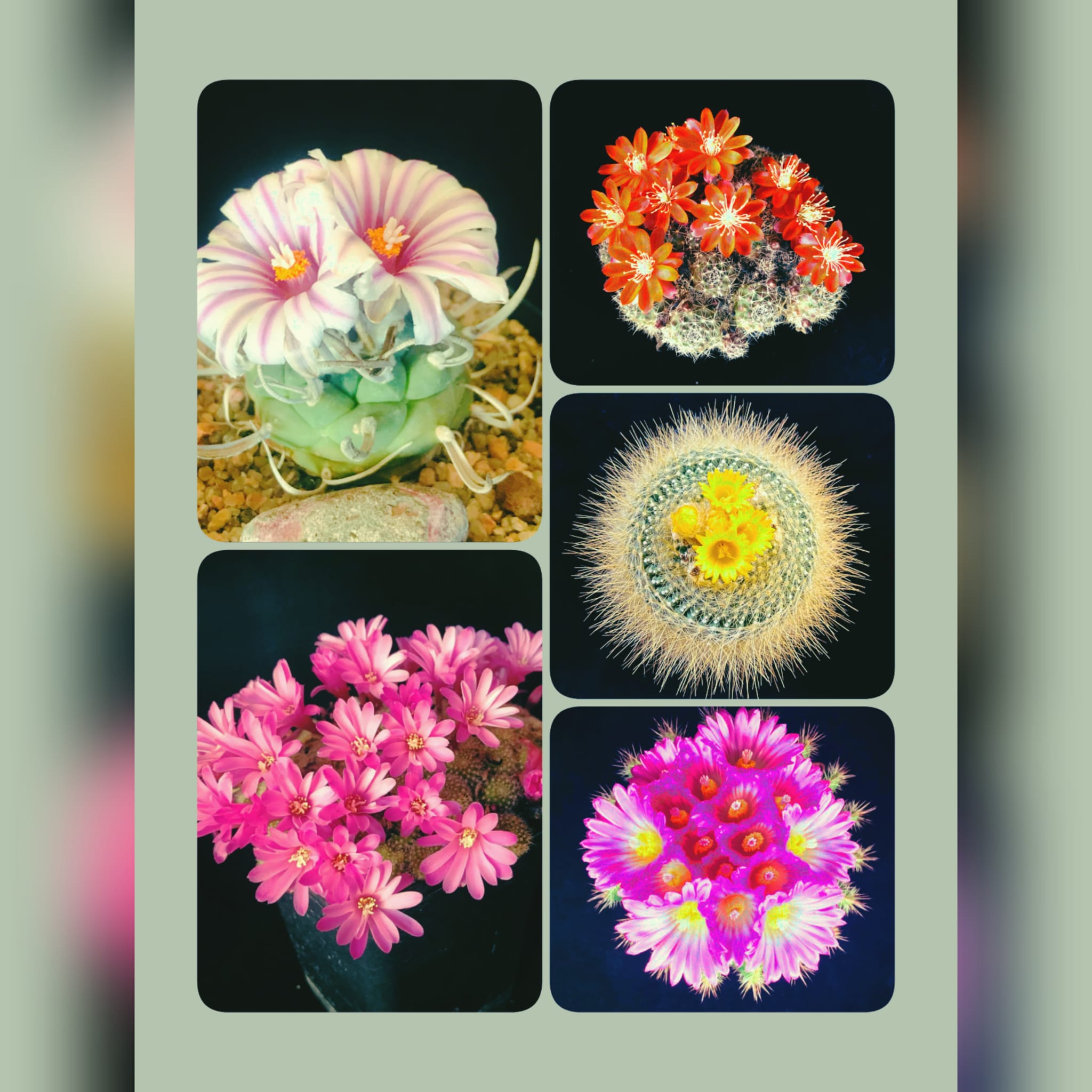
📖 Mūsu logotips / Our logo

Rekvizīti apmaksai / Payment details
Saņēmējs: Latvijas Kaktusu un citu sukulentu biedrība
Reģ. Nr.: 40008174954
Banka: Swedbank AS
IBAN: LV59HABA0551030467722
SWIFT: HABALV22XXX
Nākamās tikšanās / Upcoming meetings
Jauno sezonu sākam jaunā vietā! ✨
Turpmāk mūsu biedrības sapulces notiks adresē: Ieriķu ielā 43A, Rīga.
Mūsu mājaslapā vienmēr atradīsiet informāciju par gaidāmajiem pasākumiem,
kā arī varēsiet iepazīties ar jaunās sezonas lekciju plānu. Sekojiet līdzi mūsu tikšanās reizēm un jaunumiem!
Sīkāka informācija pie Olgas Popovas.Telefons: +371 29250486
https://apkaimes.lv/integracija/par-nvo-namuWe’re starting the new season in a new place! ✨
From now on, our association’s meetings will take place at: Ieriķu ielā 43A.
On our website, you can always find information about upcoming events and explore the lecture programme for the new season. Stay up to date with our events and follow our latest news!
Details — with Olga Popova.Phone: +371 29250486
Mūsu dzīve: Vasara / Our Life: Summer
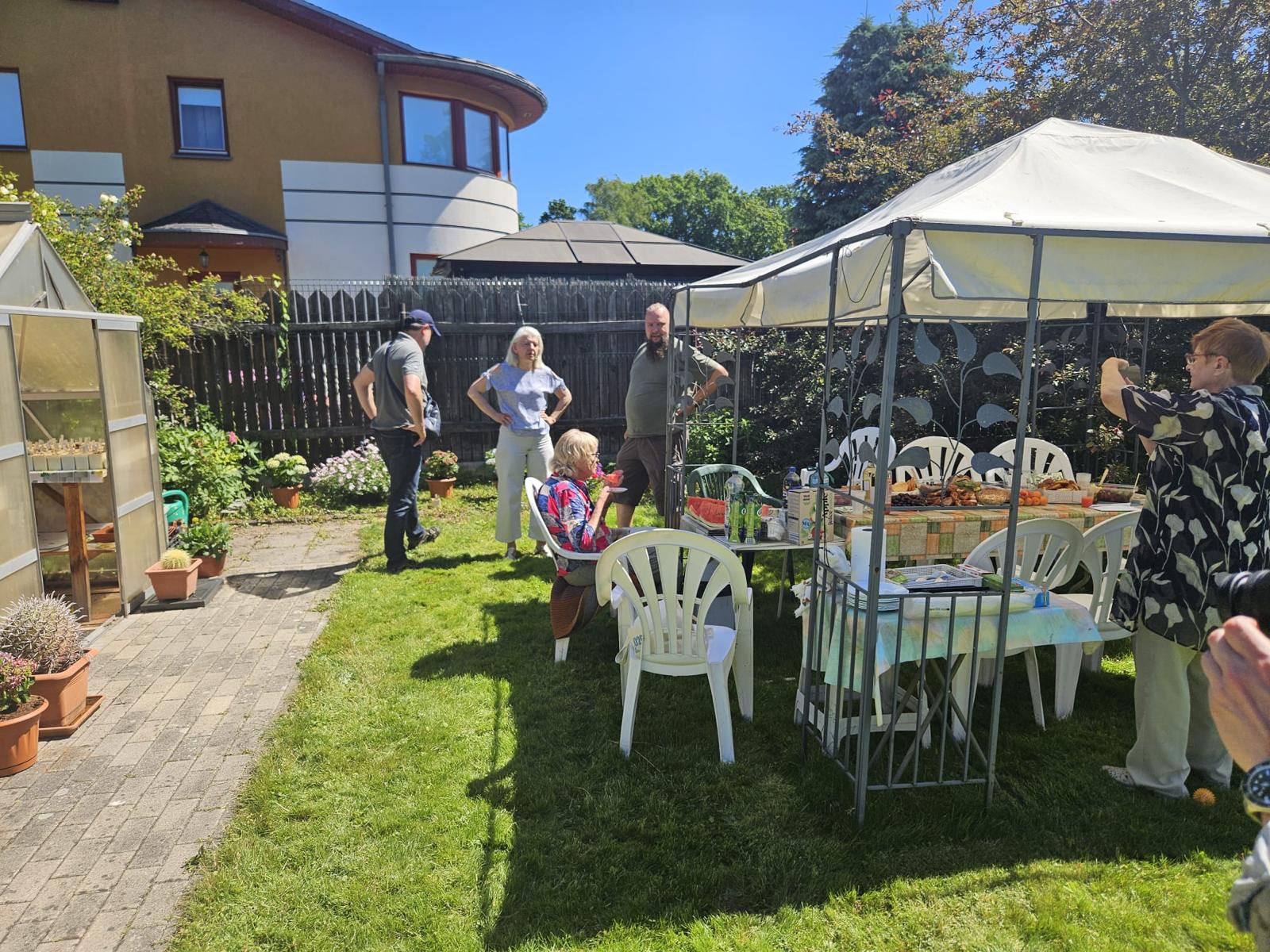
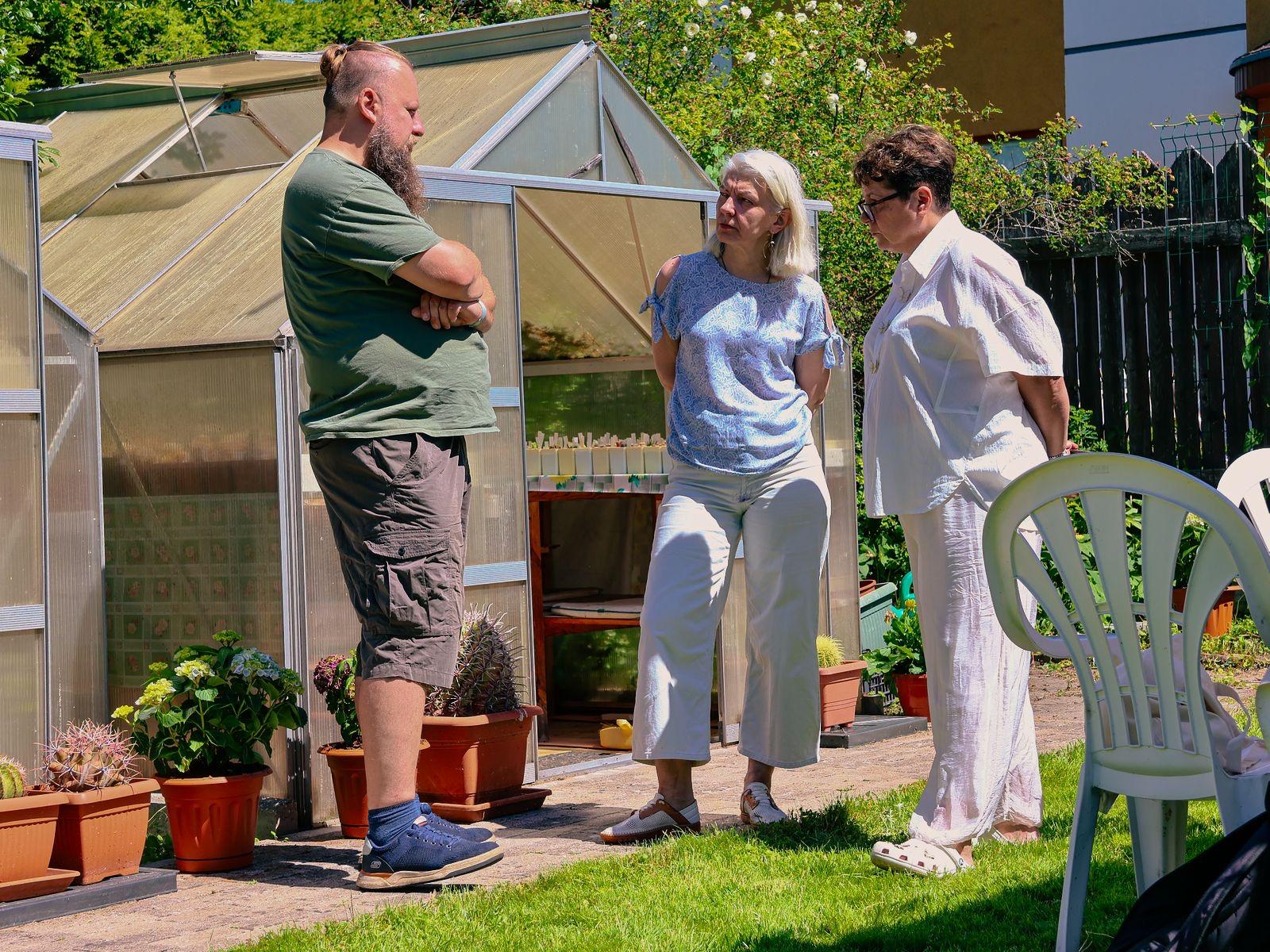
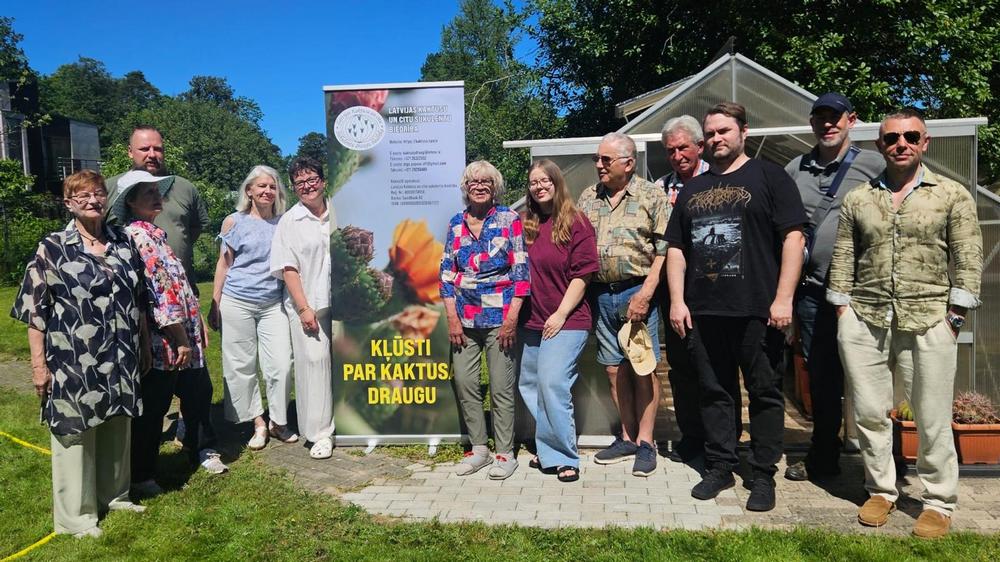
👉 Arī vasarā mēs tikāmies!
👉👉Tā bija brīnišķīga un sirsnīga tikšanās, kuras laikā mēs apvienojām mūsu mīļās Jeļenas Samcovas dzimšanas dienas svinēšanu ar jaunu pasākumu apspriešanu un plānošanu.
👉👉👉 Mūsu priekšā ir jauna sezona, kas būs piepildīta ar interesantām lekcijām, izstādēm un citiem aizraujošiem pasākumiem. Mēs ar prieku veidojam jaunus plānus un jau ar nepacietību gaidām nākamās tikšanās!
👉 We got together during the summer too!
👉👉It was a wonderful and warm gathering, during which we combined the celebration of our dear Elena Samtsova's birthday with discussions and planning for new events.
👉👉👉 A new season lies ahead, filled with interesting lectures, exhibitions, and other exciting activities. We are happily making new plans and are already looking forward to our next meetings!
🖼️ Mūsu vasara tikšanās /
Our summer meetings 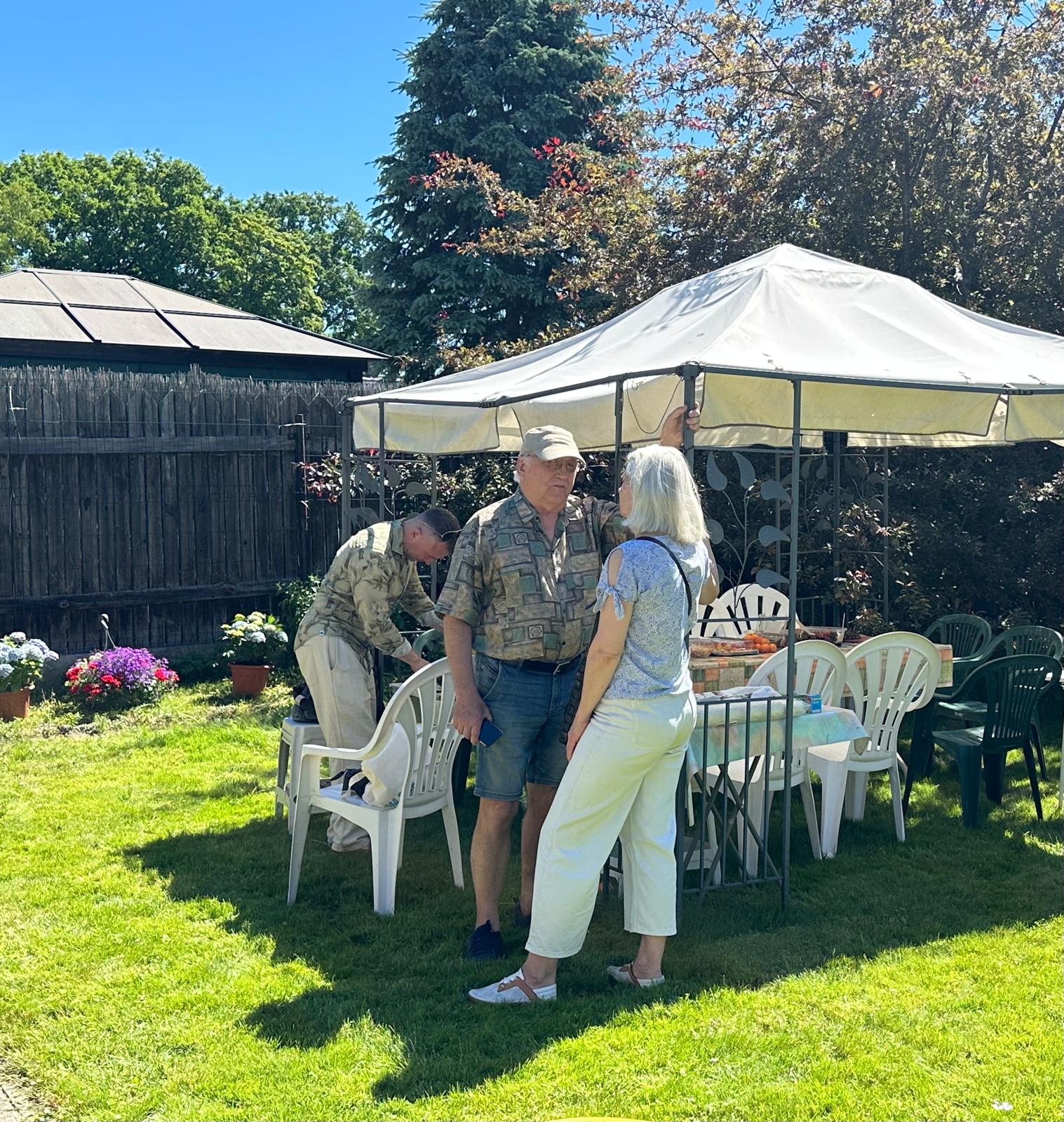
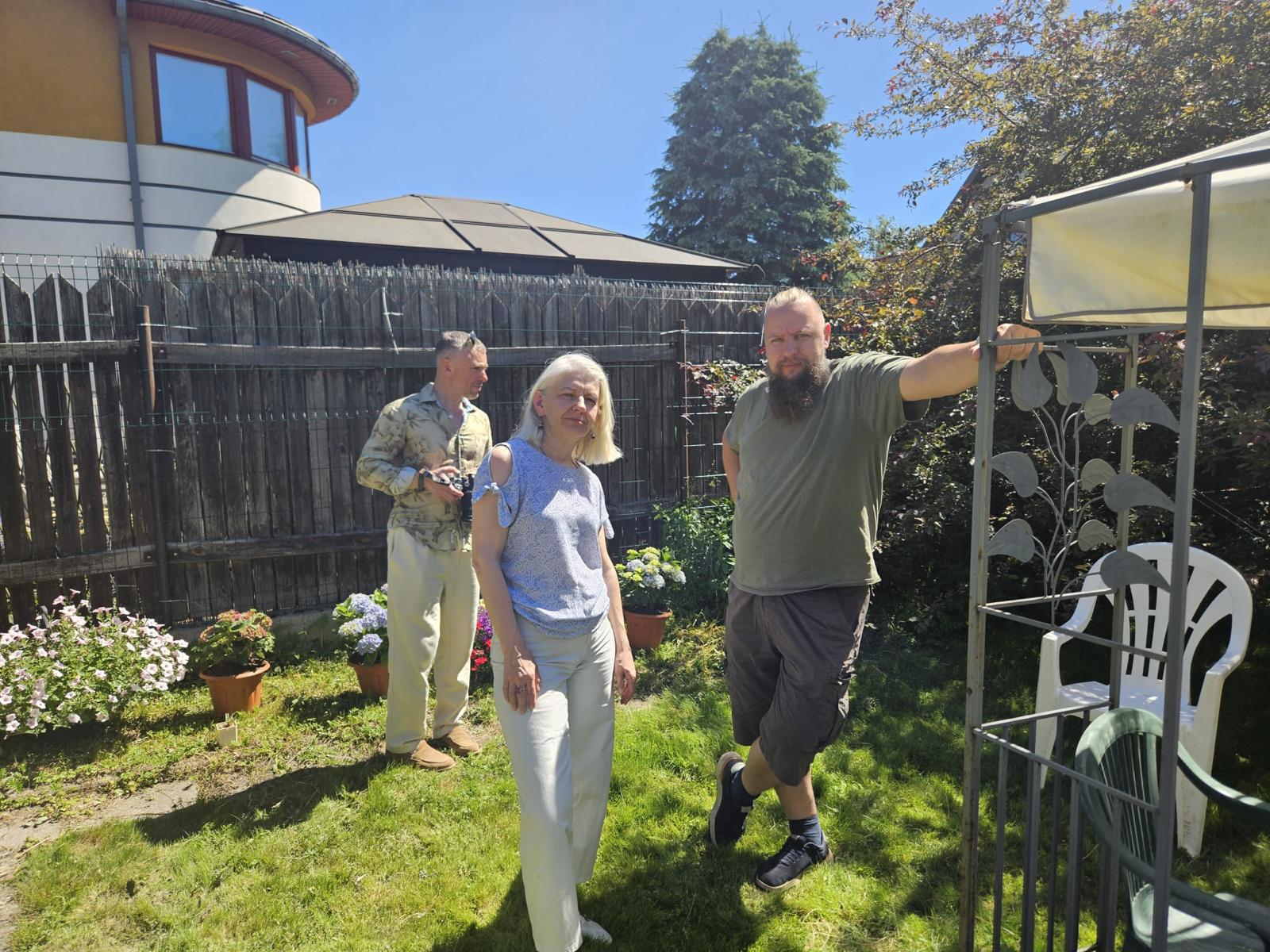
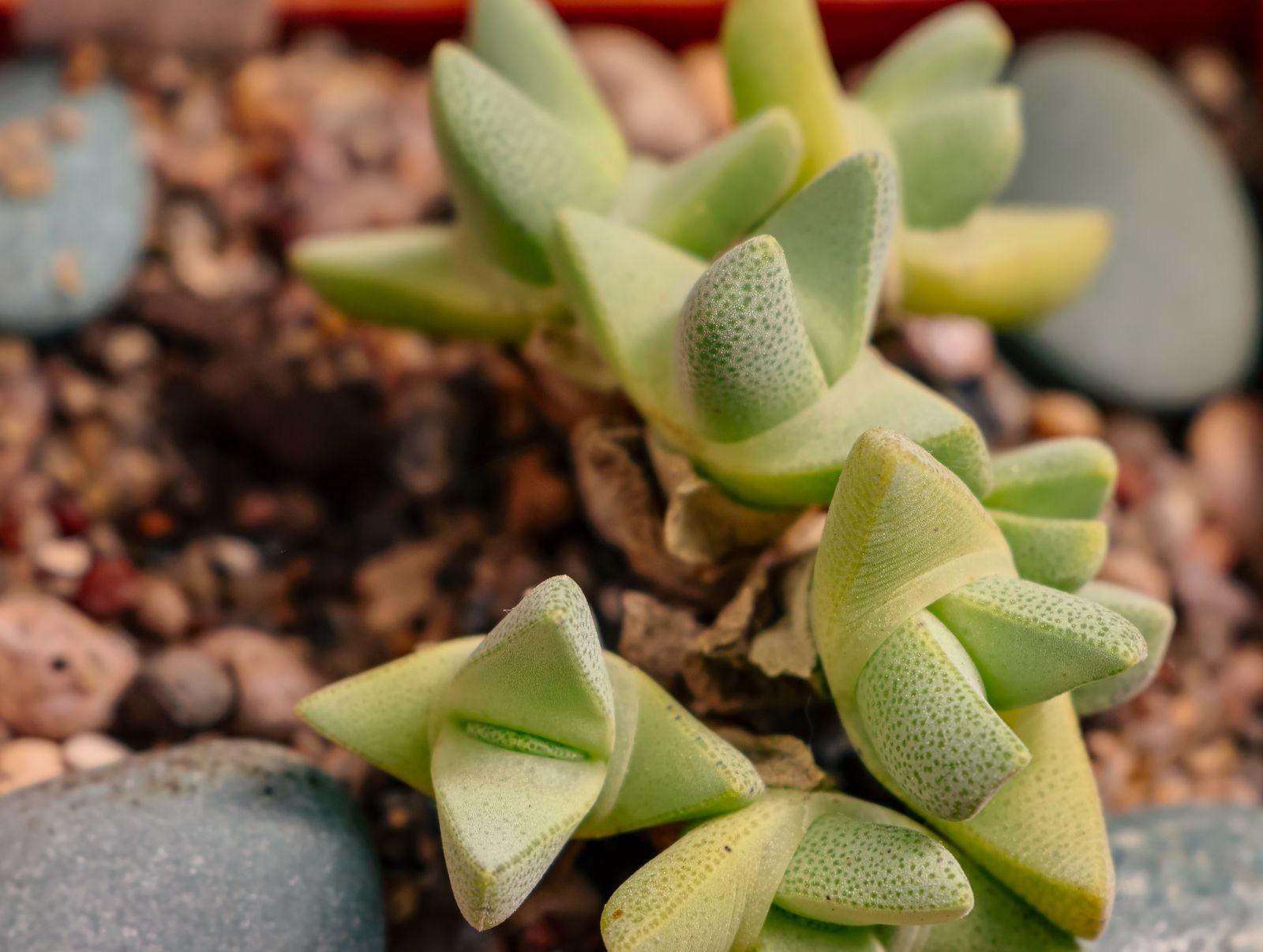
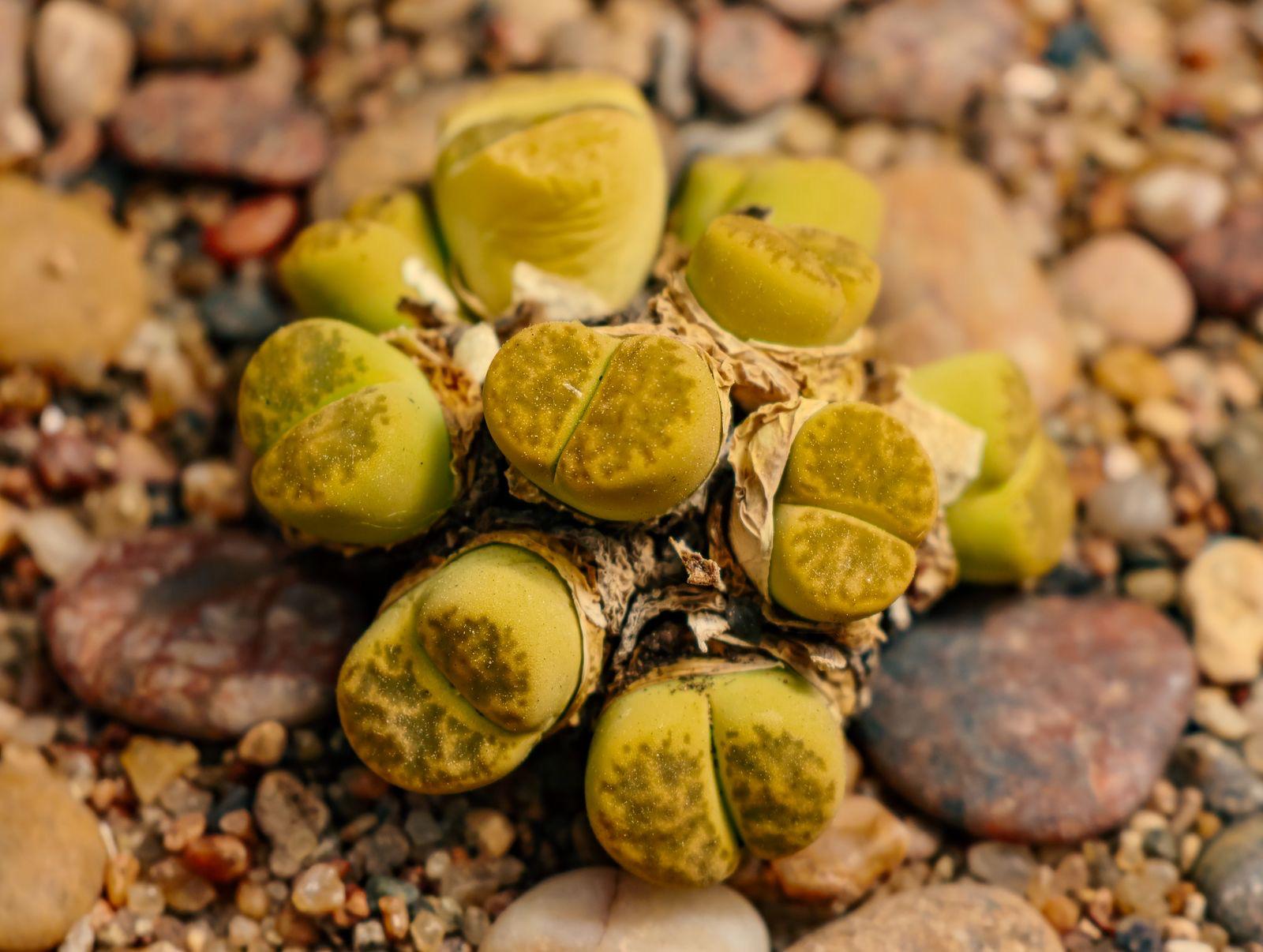
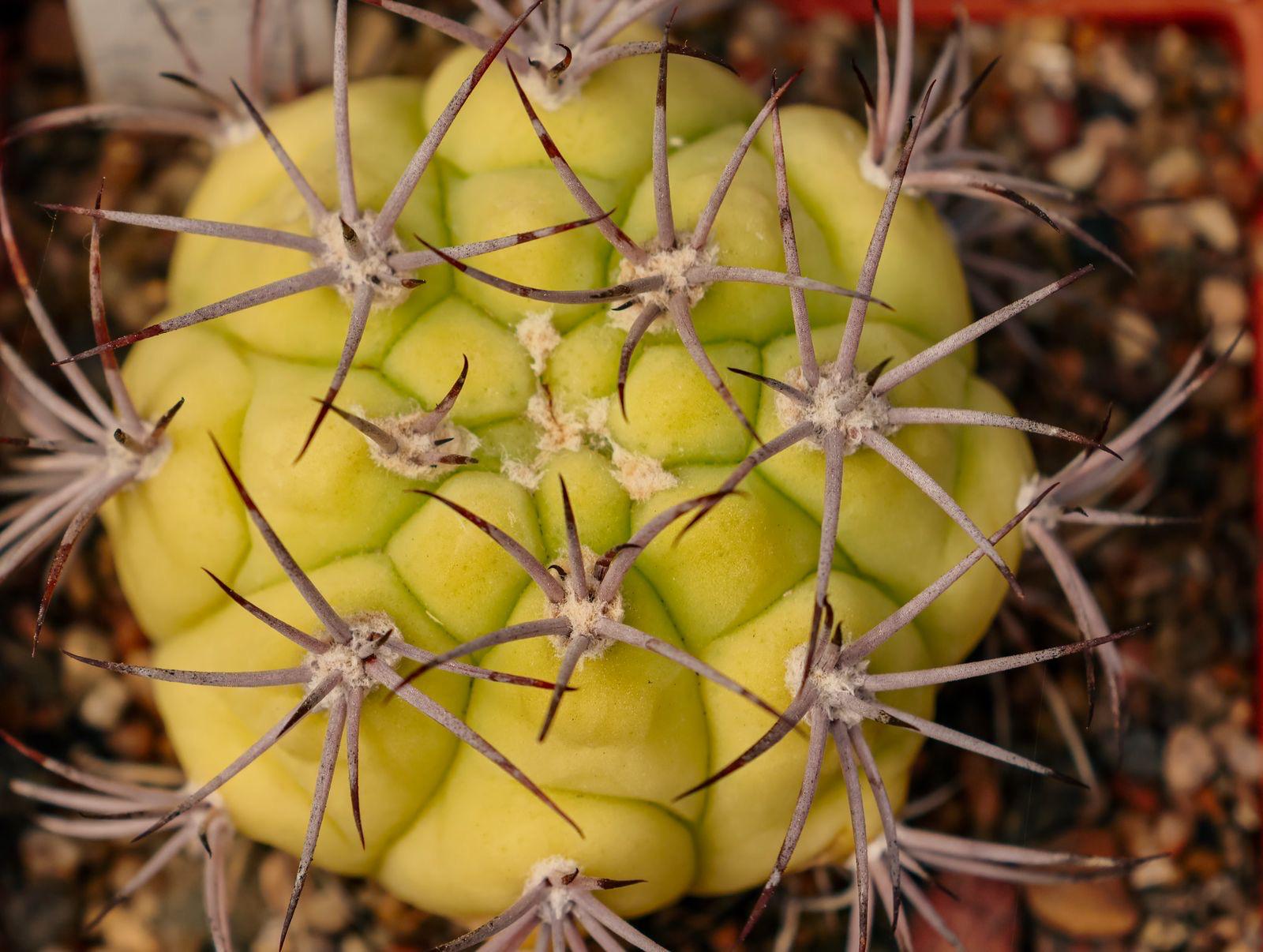
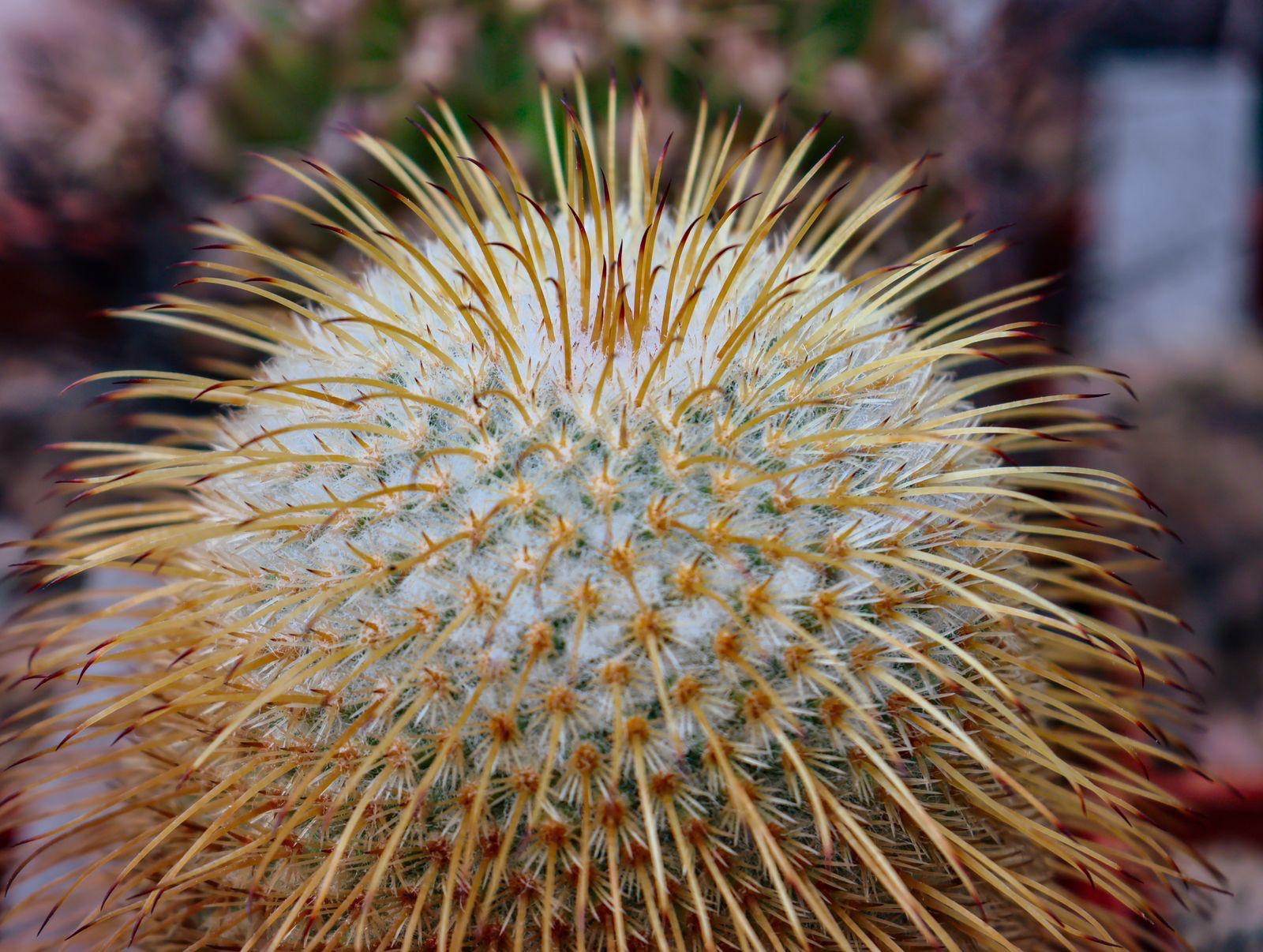
🖼️ J. Samcovas kaktusi un kaktusēni /
E. Samtsova’s Cacti and Little Cacti 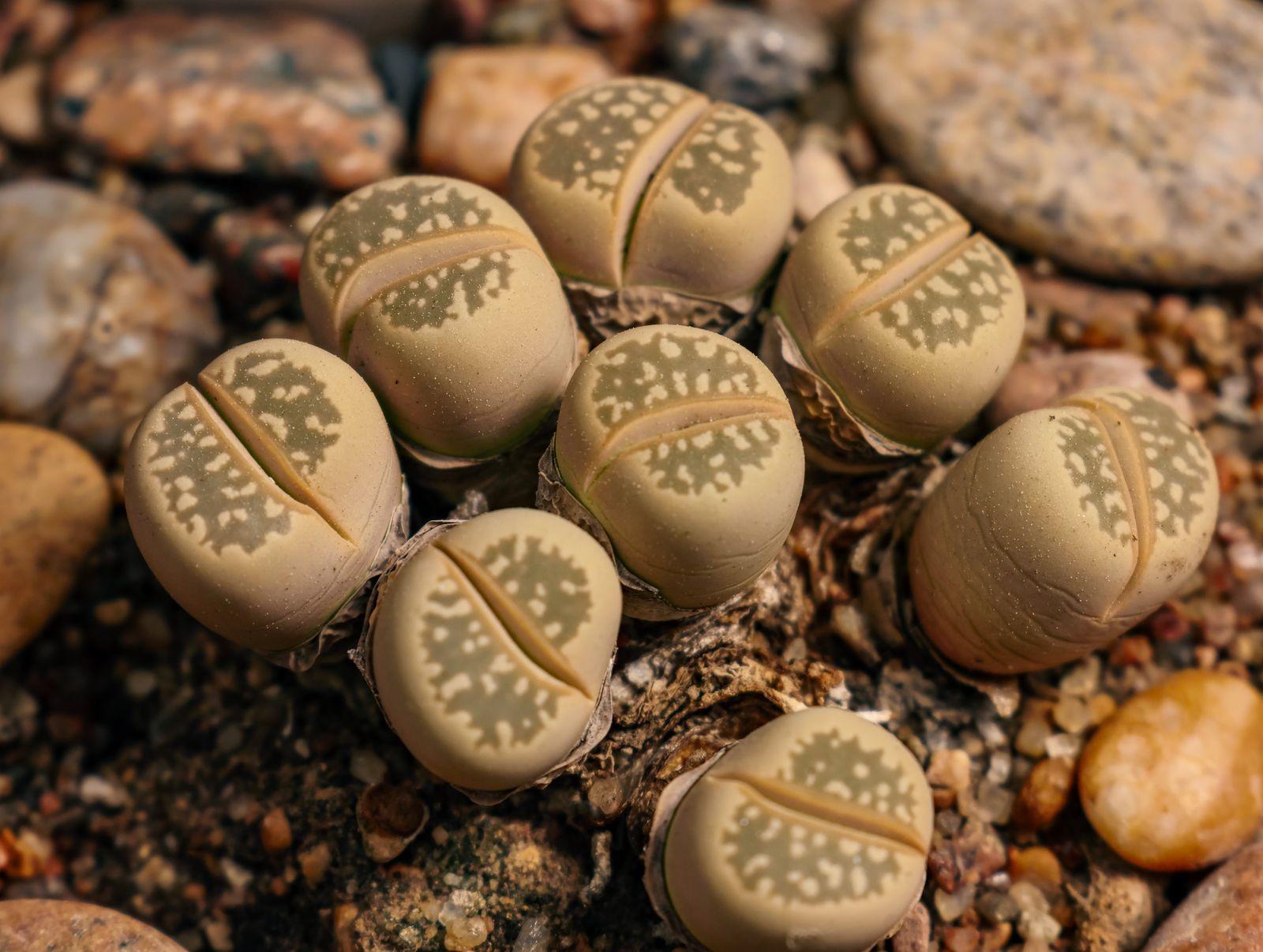
Tas ir interesanti / It is interesting
Interesants vēsturisks fakts par kaktusiem:
🌵 Senajā Meksikā kaktusi bija tik svarīgi, ka dažus no tiem izmantoja ne tikai pārtikā un medicīnā, bet arī spilgti sarkanas krāsas iegūšanai.
Uz kaktusiem audzēja mazus kukaiņus — košeniles, no kurām ieguva vērtīgu krāsvielu.
Lai iegūtu krāsvielu, kukaiņus savāca, izžāvēja un sasmalcināja pulverī.
Pēc tam pulveri sajauca ar ūdeni un karsēja, iegūstot spilgti sarkanu pigmentu.
Ar dažādu piedevu palīdzību varēja mainīt krāsas toni — no maigi rozā līdz piesātināti purpursarkanam.
Audumu iegremdēja krāsošanas šķīdumā un izmantoja īpašus krāsas nostiprinātājus, lai krāsa kļūtu spilgta un noturīga.
Tā košenile kļuva par vienu no sava laika vērtīgākajām krāsvielām, kuru vēlāk sāka eksportēt uz Eiropu.
An interesting historical fact about cacti:
🌵In ancient Mexico, cacti were so important that some of them were used not only for food and medicine but also to produce a bright red dye. Tiny insects called cochineals were raised on cacti, and a valuable dye was obtained from them.
To obtain the dye, the insects were collected, dried, and ground into a powder.
The powder was then mixed with water and heated to produce a bright red pigment. Different additives could change the shade, ranging from soft pink to deep purple.
The fabric was immersed in the dye solution, and special fixatives were used to make the color brighter and longer-lasting.
Thus, cochineal became one of the most valuable dyes of its time and was later exported to Europe.